

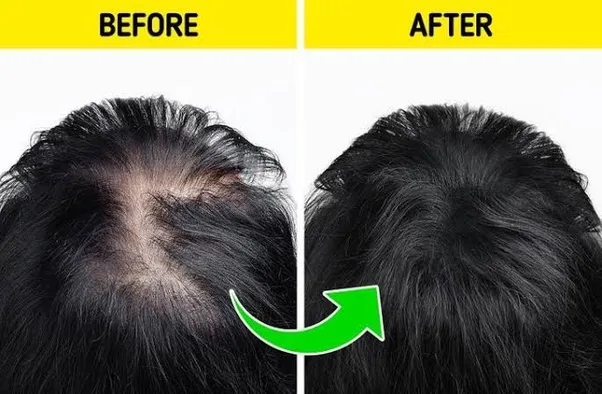
Unlock Secrets to Regrow Lost Hair
Discover how to regain lost hair with proven methods. Explore tips, treatments, and success stories. Curious yet?
I. Understanding Hair Loss
Hair loss, a condition medically known as alopecia, is a common issue that affects millions of people worldwide. It’s essential to comprehend the basics of hair growth and loss to tackle this problem effectively. Every strand of hair on your scalp goes through a natural cycle of growth, rest, and shedding. This cycle is influenced by various factors, including genetics, age, hormones, and lifestyle choices.
Hair grows from follicles, which are tiny sacs embedded in the scalp. At any given time, about 90% of hair is in the growing phase (anagen), which can last between two to seven years. Following this, hair enters a short transitional phase (catagen) before moving into the resting phase (telogen), which lasts about three months. Finally, the hair falls out, and the follicle begins a new growth phase.
Understanding these stages is crucial because disruption at any point can lead to noticeable hair loss. While losing 50 to 100 hairs a day is considered normal, excessive shedding or thinning indicates an underlying issue that needs attention. It’s also essential to understand that hair loss patterns differ between men and women. Men often experience hair loss starting at the temples and crown, whereas women typically notice thinning across the entire scalp.
By grasping the fundamentals of hair growth and loss, you’ll be better equipped to identify the root cause of your hair problems and seek appropriate treatment. Whether the issue is genetic, hormonal, or due to external factors, knowledge is your first step towards regaining a fuller, healthier head of hair.
II. Types of Hair Loss
Understanding the different types of hair loss is essential for finding the right treatment and reclaiming your confidence. Hair loss, medically known as alopecia, comes in various forms, each with distinct characteristics and causes.
1. Androgenetic Alopecia (Male/Female Pattern Baldness):
Androgenetic alopecia is the most common type of hair loss, affecting millions worldwide. In men, this condition typically presents as a receding hairline and thinning at the crown. Women, on the other hand, often experience broader thinning across the top of the scalp. It is primarily genetic and influenced by hormones.
2. Telogen Effluvium:
Telogen effluvium is characterized by diffuse thinning across the entire scalp. It’s often triggered by stress, a major life event, surgery, or a severe illness. The hair follicles enter a resting phase prematurely, leading to excessive shedding.
3. Alopecia Areata:
Alopecia areata is an autoimmune disorder where the body’s immune system attacks hair follicles, causing sudden, round patches of hair loss. In more severe cases, it can lead to complete hair loss on the scalp (alopecia totalis) or the entire body (alopecia universalis).
4. Traction Alopecia:
Traction alopecia occurs from prolonged tension on the hair due to tight hairstyles such as ponytails, braids, or extensions. Over time, this can lead to permanent damage to hair follicles and subsequent hair loss.
5. Scarring Alopecia:
Also known as cicatricial alopecia, this type involves the destruction of hair follicles, leading to permanent loss and scarring. It can result from various conditions, including lichen planopilaris and frontal fibrosing alopecia.
Recognizing the type of hair loss you’re experiencing can guide you toward appropriate treatments and preventive measures. Each type of hair loss may require different approaches, so consulting a healthcare professional is crucial for a tailored solution.
III. Causes of Hair Loss
Hair loss can be distressing, but understanding its causes is the first step to finding a solution. There are several reasons why you might be losing hair, and pinpointing the root cause is crucial for effective treatment.
One common cause of hair loss is *genetics*. Androgenetic alopecia, often referred to as male or female pattern baldness, is hereditary and affects many individuals. If your family has a history of baldness, this could be the reason behind your hair thinning.
Another significant cause is *hormonal changes*. These can be due to conditions like thyroid issues, pregnancy, menopause, or polycystic ovary syndrome (PCOS). Hormonal imbalances can disrupt the hair growth cycle, leading to noticeable thinning or bald patches.
Nutritional deficiencies* also play a role in hair health. Lacking essential vitamins and minerals, such as iron, zinc, and vitamin D, can weaken the hair shaft and cause hair loss. Eating a balanced diet rich in these nutrients is essential for maintaining healthy hair.
Stress* is another factor that can contribute to hair loss. Both physical and emotional stress can trigger conditions like telogen effluvium, where hair follicles prematurely enter the resting phase and fall out. Reducing stress through relaxation techniques and a healthy lifestyle can mitigate this effect.
Lastly, medical conditions and medications can lead to hair loss. Conditions like alopecia areata, scalp infections, and chronic illnesses can cause hair to fall out. Certain medications, including chemotherapy drugs, blood thinners, and some antidepressants, list hair loss as a potential side effect.
Understanding these causes will help you and your healthcare provider choose the most appropriate treatment to regain and maintain your hair.
Proven Treatments for Regrowing Lost Hair
Regrowing lost hair is a common concern for many, but thanks to advancements in science and medicine, several effective treatments are available. These treatments have been backed by research and show promising results for many individuals struggling with hair loss.
One of the most popular and widely studied treatments is Minoxidil, an over-the-counter topical solution. Applied directly to the scalp, it helps to improve blood circulation, stimulating hair follicles and promoting growth. It’s particularly effective for those with hereditary hair loss and can be used by both men and women.
Finasteride, another FDA-approved treatment, is an oral medication primarily aimed at men. Unlike Minoxidil, Finasteride works by reducing the levels of dihydrotestosterone (DHT) in the scalp, a hormone linked to male pattern baldness. Regular use can lead to significant hair regrowth and prevent further hair loss.
For those who prefer a more invasive approach, hair transplant surgery offers a long-term solution. By relocating hair follicles from denser areas of the scalp to thinning or bald spots, this procedure can create a natural-looking and permanent restoration of hair.
Laser therapy is another non-invasive option that promotes hair growth by using low-level laser light to stimulate hair follicles. This treatment has shown favorable results in improving density and thickness.
In some cases, a combination of these treatments may be recommended by healthcare professionals to maximize hair regrowth. Consulting a dermatologist or a hair specialist is crucial to determine the most suitable treatment based on individual needs and the specific type of hair loss.
With the right treatment plan, regaining lost hair is possible, offering hope and confidence to those affected by hair loss.
Tips and Lifestyle Changes for Hair Regrowth
Regrowing lost hair involves more than just treatments; your daily habits and lifestyle choices play a pivotal role. Here are some practical tips to enhance hair regrowth naturally.
Healthy Diet: Your hair’s health is closely tied to what you eat. Foods rich in vitamins A, C, D, and E, as well as iron and zinc, can strengthen your hair. Biotin-rich foods like eggs, nuts, and vegetables can also promote growth.
Stay Hydrated:Drinking plenty of water helps your body function efficiently, including hair growth. Aim for at least eight glasses of water a day to keep your scalp hydrated.
Regular Exercise:Physical activity boosts blood circulation, including to your scalp, which can help stimulate hair growth. Aim to exercise at least 30 minutes a day, whether it’s walking, running, or doing yoga.
Scalp Care: A healthy scalp is crucial for hair growth. Regularly cleanse and exfoliate your scalp to remove buildup and dead skin cells. Gentle scalp massages can increase blood flow and stimulate hair follicles.
Avoid Heat and Chemicals: Excessive heat from styling tools and harsh chemical treatments can damage your hair. Use heat protectants and choose natural or gentle hair care products to minimize harm.
Stress Management: Chronic stress can contribute to hair loss. Incorporate stress-reducing activities into your daily routine, such as meditation, deep-breathing exercises, or hobbies you enjoy.
Get Enough Sleep: Quality sleep is essential for overall health, including hair growth. Aim for 7-9 hours of restful sleep per night.
Regular Trims: Trimming your hair every 6-8 weeks can prevent split ends and breakage, allowing for healthier hair growth.
Implementing these lifestyle changes may not yield instant results, but over time, they can significantly improve the health of your hair and encourage regrowth.
VI. Success Stories and Testimonials
When seeking to regain lost hair, reading success stories and testimonials can serve as both inspirational and educational. One notable testimonial comes from John, a 38-year-old teacher who struggled with male pattern baldness. After years of trying over-the-counter solutions with no success, John opted for a combination of minoxidil and finasteride, as prescribed by his dermatologist. Within six months, John began to notice significant regrowth, particularly in areas where he had experienced the most thinning.
Similarly, Emily, a 29-year-old marketing manager, found hope through a holistic approach. Suffering from hair loss due to stress and poor diet, she consulted with a trichologist who recommended a regimen of biotin supplements, a balanced diet rich in proteins and vitamins, and regular scalp massages. Alongside these lifestyle changes, Emily also incorporated essential oils such as rosemary and peppermint into her hair care routine. After a year, Emily reported fuller, thicker hair and a noticeable decrease in hair fall.
These stories highlight the importance of personalized treatment plans. What works for one person might not work for another, making it crucial to understand the root cause of your hair loss and tailor your approach accordingly. Consulting healthcare professionals for a customized treatment plan can significantly increase your chances of regrowing lost hair.
By sharing real-life experiences, we aim to provide hope and guidance for those battling hair loss. These testimonials reveal that with the right treatments and lifestyle changes, regaining lost hair is not just a dream but a potential reality.