


⚡ Quick Answer what causes hair fall
Hair fall is caused by a combination of genetic, hormonal, nutritional, and lifestyle factors. The most common causes include androgenic alopecia (hereditary baldness), hormonal changes, iron or vitamin D deficiency, chronic stress, and certain medications. Losing 50–100 hairs per day is normal — anything beyond that consistently warrants investigation.
If you’ve been finding more hair in your brush, on your pillow, or circling the shower drain, you’re not alone. Hair fall affects over 80 million people in the US alone — and many more worldwide. But here’s the thing most generic articles miss: the cause of your hair fall determines the cure. A treatment that works brilliantly for hormonal hair loss may do nothing for stress-related shedding. That’s why identifying your specific cause is the most important first step.
This guide covers every major cause of hair fall — from genetics and hormones to nutritional gaps and medical conditions — so you can understand what’s happening with your hair and take the right action.
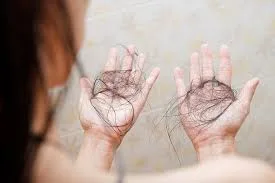
Is My Hair Fall Normal?
Before worrying, it helps to understand what’s actually normal. The average person has 100,000–150,000 hairs on their scalp and sheds 50–100 hairs per day as part of the natural growth cycle. This is completely healthy — in fact, you don’t even notice it because new hairs grow back simultaneously.
Hair fall becomes a concern when:
- Shedding increases suddenly (noticeably more hair than usual)
- Thinning is visible — you can see the scalp through the hair
- Bald patches appear (circular or irregular)
- The hairline is receding progressively over months
- Shedding continues for more than 3 months without improvement
|
Hair Fall vs. Hair Loss — What’s the Difference? Hair fall (shedding) is the natural daily process of losing old hairs. Hair loss (alopecia) refers to a reduction in overall hair density that doesn’t recover. If you’re noticing both increased shedding AND visible thinning, that’s a sign of hair loss — not just normal daily fall. |
The 10 Main Causes of Hair Fall
Let’s go through the most common and well-evidenced causes of hair fall, starting with the most prevalent.
1. Genetics — Androgenic Alopecia
Who it affects: Both men and women. Affects up to 50% of men by age 50, and up to 40% of women by menopause.
Androgenic alopecia — also called male or female pattern baldness — is the single most common cause of hair fall worldwide. It’s driven by a genetic sensitivity to dihydrotestosterone (DHT), a hormone derived from testosterone. Over time, DHT causes hair follicles to shrink (miniaturise), producing progressively thinner, shorter hairs until the follicle stops producing hair altogether.
In men: Hair typically recedes at the temples and thins at the crown, eventually merging into a horseshoe pattern.
In women: Pattern hair loss presents differently — the parting widens and overall density decreases, but the frontal hairline is usually preserved.
The gene responsible can be inherited from either parent, not just the maternal grandfather as the old myth goes. If both parents experienced hair loss, your risk is significantly higher. Read our full guide on hair fall in women →
2. Hormonal Changes
Who it affects: Predominantly women — during pregnancy, postpartum, perimenopause, and in those with thyroid disorders or PCOS.
Hormones regulate the hair growth cycle. When they shift significantly, the cycle gets disrupted, and large numbers of hairs can enter the resting (telogen) phase simultaneously — leading to increased shedding weeks to months later.
Key hormonal triggers include:
- Postpartum (after childbirth): Oestrogen surges during pregnancy keep hairs in the growth phase. After birth, oestrogen drops sharply — and all those ‘saved’ hairs shed at once, typically 3–5 months postpartum. This is temporary.
- Menopause: Declining oestrogen and progesterone mean DHT has relatively more influence, accelerating hereditary thinning.
- Thyroid disorders: Both an underactive (hypothyroid) and overactive (hyperthyroid) thyroid can cause diffuse hair thinning.
- PCOS (Polycystic Ovary Syndrome): Elevated androgens (male hormones) in women with PCOS can trigger androgenic alopecia-type hair thinning.
Read our full guide on postpartum hair loss → | Hair fall causes in women →
3. Nutritional Deficiencies
Who it affects: Very common — especially in women, those with restrictive diets, and people who have had recent rapid weight loss.
Hair follicles are among the most metabolically active cells in the body. They’re highly sensitive to nutritional shortfalls. The most frequently linked deficiencies are:
- Iron deficiency: The most common nutritional cause of hair loss, particularly in premenopausal women. Low ferritin (stored iron) starves hair follicles of oxygen.
- Vitamin D: Vitamin D receptors are found in hair follicles. Deficiency has been linked to alopecia areata and general hair thinning.
- Biotin (Vitamin B7): While true biotin deficiency is rare, it can cause brittle hair and increased breakage.
- Vitamin B12: B12 helps produce red blood cells that carry oxygen to hair follicles. Deficiency can disrupt the growth cycle.
- Zinc: Zinc plays a role in hair tissue growth and repair. Deficiency can cause hair shedding.
- Protein: Hair is made of keratin — a protein. Very low protein intake can push hairs into the resting phase.
Deep dive: Which vitamin deficiency causes hair loss? →
4. Stress and Telogen Effluvium
Who it affects: Anyone experiencing significant physical or emotional stress. Very commonly triggered by illness, surgery, bereavement, or extreme work pressure.
Telogen effluvium is the medical name for stress-related hair shedding. When the body experiences significant stress, it redirects resources away from ‘non-essential’ functions — including hair growth. A large number of hairs are pushed prematurely into the telogen (resting) phase and then shed, typically 6–12 weeks after the triggering event.
The key thing to understand: you won’t see the shedding immediately. The delay means people often don’t connect the dots between the stressful event and the subsequent hair fall.
Common triggers include: major surgery, high fever or severe illness (including COVID-19), extreme weight loss, emotional trauma, and chronic ongoing stress.
|
Good News Telogen effluvium is almost always temporary. Once the triggering stress resolves, hair typically regrows fully within 6–9 months. If shedding continues beyond 6 months, consult a dermatologist — it may have another underlying cause. |
5. Medical Conditions
Who it affects: Anyone — medical hair loss can occur at any age.
Several medical conditions can cause hair fall as a direct symptom or side effect:
- Alopecia Areata: An autoimmune condition where the immune system mistakenly attacks hair follicles, causing patchy hair loss. Can progress to complete scalp hair loss (alopecia totalis) or whole-body hair loss (alopecia universalis) in some cases.
- Lupus: An autoimmune disease that can cause patchy or diffuse hair loss, often accompanied by scalp inflammation.
- Diabetes: Poor circulation associated with diabetes can impair blood supply to hair follicles.
- Scalp infections: Ringworm (tinea capitis) and other fungal infections cause patchy hair loss with scalp scaling.
- Psoriasis and seborrhoeic dermatitis: Chronic scalp conditions that can damage follicles and lead to temporary hair loss if untreated.
6. Medications and Medical Treatments
Who it affects: People on certain long-term medications or undergoing specific medical treatments.
Hair loss is a known side effect of several categories of medication:
- Chemotherapy and radiation therapy (anagen effluvium — affects actively growing hairs)
- Blood thinners (anticoagulants) such as warfarin and heparin
- Beta-blockers and ACE inhibitors (blood pressure medications)
- Antidepressants — particularly SSRIs like sertraline and fluoxetine in some individuals
- Retinoids (high-dose vitamin A derivatives)
- Hormonal contraceptives — particularly on stopping the pill
If you recently started a new medication and noticed increased hair fall, speak with your prescribing doctor. Often a dosage adjustment or alternative can resolve the issue.
7. Hairstyling Damage — Traction Alopecia
Who it affects: People who frequently wear tight hairstyles — cornrows, tight ponytails, braids, weaves, extensions.
Traction alopecia is hair loss caused by repeated, prolonged tension on the hair follicles. It typically begins along the hairline and temples. If caught early, it is reversible. If the traction continues over years, the follicular damage can become permanent.
Heat damage from excessive use of flat irons, curling wands, and blow dryers, as well as chemical damage from bleach, perms, and relaxers, can cause hair breakage (which isn’t the same as hair fall from the root, but produces a similar thinning appearance).
8. Age-Related Hair Thinning
As we age, the hair growth cycle naturally slows. Hair follicles produce thinner hairs, the growth (anagen) phase shortens, and the density of hair gradually decreases. This is a normal part of ageing and affects both men and women — though it is often accelerated by genetic factors.
9. Scalp Health Issues
An unhealthy scalp environment can impair hair growth. Chronic dandruff, seborrhoeic dermatitis, and scalp psoriasis cause inflammation around hair follicles, which can contribute to accelerated shedding. Folliculitis (infected hair follicles) can also cause patchy hair loss if untreated.
10. Supplements and Dietary Trends
Certain popular supplements have been linked to hair fall. Creatine may raise DHT levels in some individuals, potentially accelerating genetic hair thinning. Very high doses of vitamin A (or isotretinoin for acne) are a known cause of hair shedding. And crash dieting or very low-calorie diets trigger telogen effluvium due to the shock of rapid nutritional deprivation.
Does creatine cause hair loss? The full evidence →
Hair Fall by Gender — Key Differences
While many causes affect both men and women, the most common patterns and triggers differ:
|
Most Common Causes in Men |
Most Common Causes in Women |
|
Androgenic alopecia (receding hairline, crown thinning) |
Androgenic alopecia (diffuse thinning, widening part) |
|
High DHT sensitivity |
Hormonal changes (pregnancy, menopause, PCOS) |
|
Stress / telogen effluvium |
Iron / ferritin deficiency |
|
Nutritional deficiencies |
Thyroid disorders |
|
Scalp health issues |
Stress / telogen effluvium |
|
Traction / styling damage |
Traction / styling damage |
Full guide: Hair fall causes in women → | Men’s hair loss treatment guide →
How to Identify What’s Causing Your Hair Fall
The pattern and onset of your hair fall can point strongly towards a specific cause:
- Gradual thinning over years: Likely genetic (androgenic alopecia). Consider a family history check.
- Sudden increase in shedding: Likely telogen effluvium triggered by a stressor 6–12 weeks prior.
- Patchy hair loss: Could be alopecia areata, ringworm, or traction alopecia — see a dermatologist.
- Diffuse thinning with fatigue/cold sensitivity: Consider thyroid function — get a blood test.
- Hair fall + irregular periods or acne: Consider PCOS — speak with your GP.
- Hair fall after starting a new medication: Discuss alternatives with your doctor.
|
Recommended Blood Tests to Ask Your Doctor For Full blood count (FBC) | Ferritin and serum iron | Vitamin D (25-OH) | Thyroid function (TSH, T3, T4) | Vitamin B12 | Zinc | Hormonal panel (if PCOS suspected: testosterone, DHEAS, LH, FSH) |
Treatment: Where to Start (Based on Your Cause)
The right treatment depends entirely on the cause. Here’s a quick orientation:
- Genetic hair loss: Minoxidil (topical or oral), finasteride (men), or low-level laser therapy. Compare treatments →
- Nutritional deficiency: Targeted supplementation under medical guidance. Which vitamins to address →
- Stress-related shedding: Treat the root cause of stress; support with scalp care and nutrition. Hair usually recovers naturally.
- Hormonal causes: Address the underlying hormonal condition with your doctor. Regrowing thinning hair in women →
- Natural and Ayurvedic options: Best hair loss oils → | Ayurvedic medicine for hair loss →
Frequently Asked Questions
How much hair fall per day is normal?
Losing 50–100 hairs per day is completely normal. If you’re shedding noticeably more than this consistently, or seeing visible thinning, it’s worth investigating.
Can hair fall be reversed?
It depends on the cause. Telogen effluvium (stress-related shedding) almost always resolves fully within 6–9 months. Nutritional deficiency-related hair fall usually reverses once the deficiency is corrected. Genetic hair loss can be slowed and partially reversed with treatment, but not fully reversed once follicles are significantly miniaturised. Alopecia areata can regrow spontaneously or with treatment.
Does stress cause permanent hair loss?
In most cases, no. Stress-related hair fall (telogen effluvium) is temporary. However, if chronic stress persists, shedding can continue. Prolonged stress may also accelerate genetic hair loss in people with a predisposition to it.
What is the single most common nutritional cause of hair fall?
Iron deficiency (specifically low ferritin — stored iron) is the most frequently identified nutritional cause of hair fall, particularly in premenopausal women. Full breakdown of vitamin deficiencies and hair loss →
Can washing your hair too often cause hair fall?
No — washing your hair does not cause hair fall. You may notice more hairs in the drain after washing, but those hairs were already at the end of their natural cycle. Washing doesn’t trigger or accelerate the process.
Is hair fall hereditary?
Androgenic alopecia (the most common type of hair loss) has a significant genetic component. You can inherit the tendency from either parent. However, not everyone with the gene will experience significant hair loss — severity varies widely.
At what age does hair fall typically start?
It varies. Male pattern baldness can begin as early as the late teens or early 20s. Female pattern hair loss often becomes noticeable in the 40s and 50s, particularly around menopause. Stress-related and nutritional shedding can occur at any age.
Does hair grow back on its own after shedding?
Often yes, depending on the cause. In telogen effluvium and nutritional deficiency cases, hair regrows fully once the trigger is resolved. In genetic hair loss, follicles gradually miniaturise and may stop producing hair — regrowth is limited without treatment.
The Bottom Line
Hair fall has many possible causes — and most of them are identifiable and treatable. The key is not to panic, but to look for patterns and be systematic. Start by tracking when the shedding increased and what might have happened in the 6–12 weeks prior. Consider a blood test to rule out nutritional or hormonal causes. And if you’re noticing progressive thinning over months or years, a dermatologist can give you a clear diagnosis and treatment plan.
The earlier you identify the cause, the more options you have. Explore our best hair loss treatments →
|
Medical Disclaimer This article is for informational purposes only and does not constitute medical advice. If you are experiencing significant or sudden hair loss, please consult a qualified dermatologist or healthcare provider for a personalised diagnosis and treatment plan. |
Sources: American Academy of Dermatology (AAD) | National Institutes of Health (NIH) | Journal of Clinical and Aesthetic Dermatology | Harvard Health Publishing