

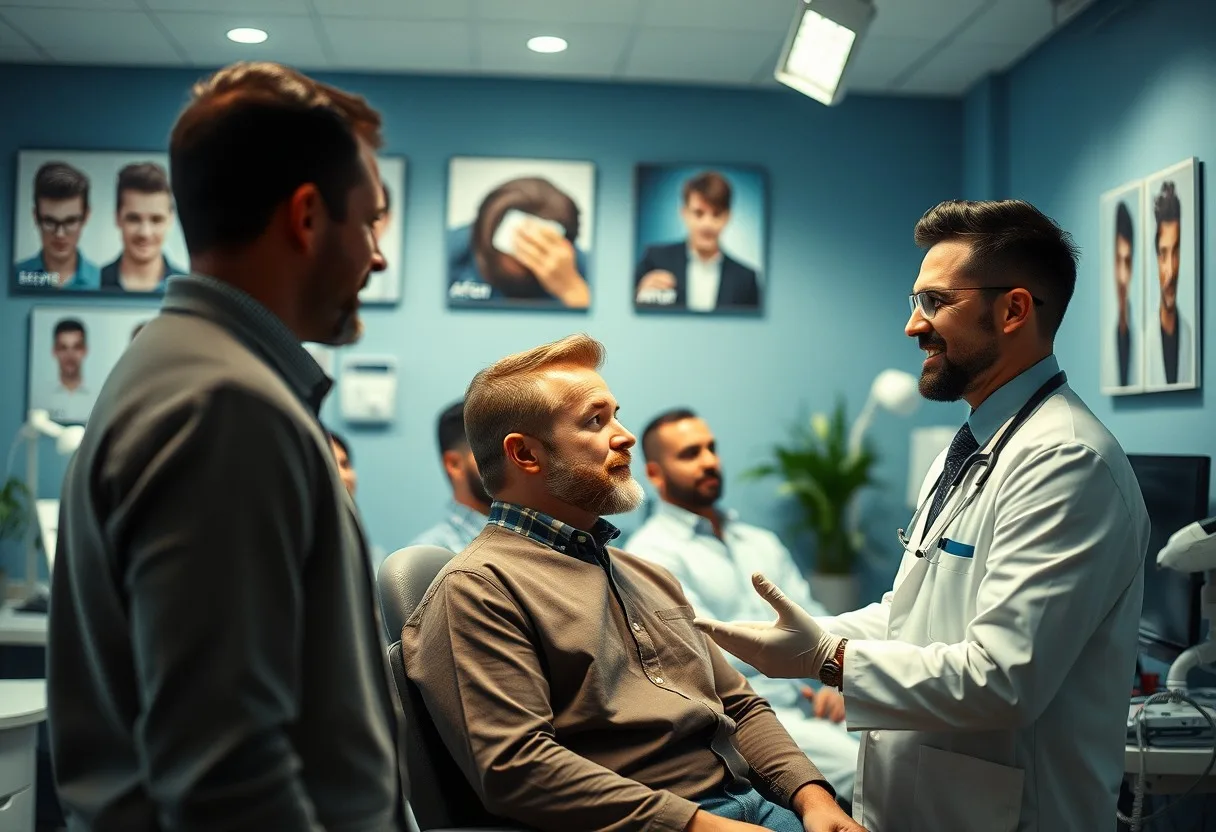
Mens Hair Loss treatment
Just as your confidence can be impacted by hair loss, understanding the available treatments can empower you to take control of your situation. In this guide, you’ll explore effective solutions ranging from topical treatments and oral medications to advanced procedures like hair transplants. Each method has its own benefits and considerations, tailored to fit your specific needs. By arming yourself with knowledge, you can make informed decisions that restore not only your hair but also your self-esteem.
Key Takeaways:
- Understanding Causes: It’s crucial to identify the underlying causes of hair loss, which can include genetics, hormonal changes, or medical conditions.
- Treatment Options: There are various treatment options available such as topical treatments (like minoxidil), oral medications (like finasteride), and surgical procedures (like hair transplants).
- Consultation is Key: Consulting with a healthcare professional or a dermatologist can help determine the most effective treatment tailored to individual needs.
Types of Hair Loss Treatments
As you explore effective ways to manage hair loss, you’ll discover a variety of treatment options available. Each type may suit your needs differently, and understanding these options can help you make informed choices. Here’s a quick overview of the main treatments:
| Treatment Type | Description |
|---|---|
| Topical Treatments | Products applied directly to the scalp to stimulate hair growth. |
| Oral Medications | Pills that work internally to combat hair loss. |
| Surgical Options | Procedures to restore hair on the scalp. |
| Natural Remedies | Holistic approaches using natural ingredients to support hair health. |
| Combination Therapies | Using multiple treatments together for enhanced results. |
Topical Treatments
There’s an array of topical treatments that can promote hair growth directly on your scalp. Common options include minoxidil, which is FDA-approved and widely used for fighting hair loss. You should apply these products consistently and follow the recommended guidelines to see effective results.
Oral Medications
For some individuals, oral medications represent a viable solution to hair loss. These medications often target underlying hormonal issues that contribute to thinning hair. Consulting with your healthcare provider can help determine the best options available for you.
Treatments like finasteride, commonly prescribed for men, inhibit the hormone responsible for hair loss. Regular use can lead to noticeable improvements over time; however, you should discuss potential side effects and risks with your doctor before starting any new medications.
Surgical Options
For serious cases of hair loss, surgical options are available that can yield lasting results. These procedures include hair transplants and scalp reductions, which can create a fuller appearance. Evaluating your comfort level with these options is imperative before proceeding.
Surgical maneuvers like follicular unit transplantation (FUT) and follicular unit extraction (FUE) can successfully relocate hair follicles from donor areas to thinning areas. Ensure that you’re well-informed and have realistic expectations from these treatments to achieve the best outcome.
Natural Remedies
Remedies using natural ingredients can also support hair health and growth. Various imperative oils, dietary changes, and herbal supplements are popular choices for those seeking gentler approaches. Always ensure these methods are suitable for your unique hair and scalp condition.
The use of ingredients like rosemary oil or saw palmetto may promote circulation and strengthen existing hair. While results may vary, incorporating these natural solutions into your routine can support your overall hair health journey.
This comprehensive overview of hair loss treatments highlights the diverse options available to you. Make the best choice based on your unique situation and consult with professionals to tailor a treatment plan that works for you.
Factors Contributing to Hair Loss
There’s no single reason behind hair loss. A multitude of factors can contribute to this common concern among men. Understanding these factors can help in finding effective treatments. Here are some key contributors to hair loss:
- Genetic Predisposition
- Hormonal Changes
- Lifestyle and Diet
- Stress and Mental Health
Recognizing these factors is the first step toward effective hair loss treatment.
Genetic Predisposition
Loss of hair can often be traced back to your family history. Male pattern baldness, also known as androgenetic alopecia, affects a significant number of men and is primarily due to inherited genetic traits. If your father or grandfather experienced hair loss, you might be predisposed to the same condition.
Hormonal Changes
You may notice changes in your hair when your hormone levels fluctuate. Testosterone and its derivative dihydrotestosterone (DHT) play a critical role in hair growth regulation for men. When there’s an imbalance or increase in DHT, it can shrink hair follicles, leading to thinning or complete hair loss.
With the onset of age, hormonal changes can become more pronounced, exacerbating hair loss concerns. Additionally, conditions such as thyroid imbalances or hormonal disorders can also impact your hair growth cycle. Understanding these changes can be imperative in seeking appropriate treatments.
Lifestyle and Diet
If you’re not maintaining a balanced diet, you might be unknowingly contributing to your hair loss. Nutritional deficiencies, particularly in vitamins and minerals important for hair health such as biotin, zinc, and omega-3 fatty acids, can lead to thinning hair or bald patches.
Another important factor is your lifestyle choices. Poor diet, lack of exercise, smoking, and excessive alcohol consumption can negatively impact your overall health, leading to hair loss. Focusing on a well-rounded diet rich in imperative nutrients can help support hair growth and prevent further loss.
Stress and Mental Health
With the demands of modern life, stress can take a significant toll on your overall health, including your hair. Chronic stress can disrupt the hair growth cycle, pushing more hair into the resting phase, which can lead to increased shedding and thinning.
Contributing to this issue is the psychological impact of hair loss itself, which can create a cycle of stress and anxiety. Addressing both the emotional aspects and external stressors in your life can play a vital role in managing hair loss effectively.

Tips for Effective Hair Loss Management
Unlike some beliefs, managing hair loss effectively requires a combination of strategies tailored to your individual needs. Here are some tips to help you manage your hair loss:
- Consult a healthcare professional to determine the cause of your hair loss.
- Start treatment early to maximize effectiveness.
- Incorporate a balanced diet rich in vitamins and minerals.
- Be consistent with your chosen treatment regimen.
- Minimize stress through relaxation techniques like meditation or yoga.
- Consider male-pattern hair loss medications or topical treatments.
This comprehensive approach can lead to better hair management outcomes.
Early Intervention Strategies
To effectively combat hair loss, it is crucial to act early. The sooner you address potential hair thinning, the better your chances are of preserving existing hair. Consulting with a dermatologist or a trichologist can help you understand your specific condition and explore available options, including medications or lifestyle adjustments.
Maintaining Scalp Health
Maintaining good scalp health is imperative for supporting hair growth and preventing further loss. This includes keeping your scalp clean, hydrated, and free from excess oil or dandruff, all of which can hinder hair follicles.
Management of your scalp’s condition can be achieved through regular washing with mild shampoos, using conditioners suited to your hair type, and occasionally exfoliating the scalp to remove dead skin cells. Additionally, imperative oils, such as tea tree or peppermint, may improve scalp circulation and promote a healthier environment for hair follicles.
Choosing the Right Products
Health plays a significant role in your hair care regimen. Choosing the right shampoos, conditioners, and treatments can make a difference in managing hair loss effectively.
Intervention strategies often include selecting products that are specifically formulated for thinning hair or that contain active ingredients like biotin, caffeine, or ketoconazole. Reading labels attentively, avoiding harsh chemicals, and opting for natural ingredients can improve your hair health while reducing the risk of damage.
Step-by-Step Guide to Hair Loss Treatment
Now, commenceing on your journey towards effective hair loss treatment can seem daunting. However, a structured approach helps you navigate the options available and identify the best course of action for your unique situation. Here’s a comprehensive step-by-step guide:
Step-by-Step Process
| Step | Action |
|---|---|
| 1 |
Identifying the Type of Hair LossTreatment begins with understanding the type of hair loss you are experiencing. Common types include androgenetic alopecia, alopecia areata, and telogen effluvium. Each type has specific characteristics that can inform the most effective treatment. |
| 2 |
Consulting with Healthcare ProfessionalsIf you suspect hair loss, it’s crucial to consult with healthcare professionals. They can provide valuable insights and diagnostic tests to determine the underlying cause of your hair loss. |
| 3 |
Creating a Personalized Treatment PlanWith a confirmed diagnosis, the next step is creating a personalized treatment plan. This plan should address your specific type of hair loss and take into account your lifestyle and preferences. |
| 4 |
Monitoring Progress and AdjustmentsPlan to regularly monitor your progress and be open to making adjustments as needed. Continuous evaluation can help you achieve the best possible results with your treatment plan. |
The health of your hair is influenced by various factors, including genetics, stress, and diet. It’s important to identify the type of hair loss to tailor your treatment effectively. Understanding whether you’re experiencing male pattern baldness, patchy hair loss, or temporary shedding will guide you toward the appropriate solutions.
If you’re serious about addressing your hair loss, consulting with healthcare professionals is important. Dermatologists or trichologists can assess your hair and scalp’s health and recommend both medical and lifestyle solutions tailored to your needs.
The recommendations from healthcare professionals are invaluable in shaping your treatment plan. They might suggest options ranging from over-the-counter medications like Men’s Rogaine 5% Minoxidil Topical Aerosol Hair to more advanced therapies based on your diagnosis and health profile.
With your healthcare provider’s input, you can create a personalized treatment plan that aligns with your specific needs. This plan might include topical solutions, oral medications, or lifestyle changes, ensuring you take a holistic approach to addressing hair loss.
To ensure your treatment plan remains effective, it is crucial to monitor your progress closely. Look for changes in hair density and health, and communicate regularly with your healthcare professional about your observations.
Consulting continuously will allow for timely adjustments to your treatment plan. Whether this means altering your medication usage or exploring new options, staying engaged in the process is key to success in your hair loss treatment journey.
Pros and Cons of Various Treatments
All hair loss treatments come with their own set of advantages and disadvantages. Understanding these can help you make a more informed decision on what might work best for your situation. Below is a breakdown of the pros and cons of various hair loss treatments:
| Treatment Type | Pros and Cons |
|---|---|
| Topical Treatments | Non-invasive, easy to apply. May cause skin irritation. |
| Medication (Finasteride) | Effective for many. Possible sexual side effects. |
| Surgical Hair Restoration | Permanent results. Lifelong commitment and cost. |
| Laser Therapy | Painless, non-invasive. Requires multiple sessions. |
| Natural Remedies | Holistic approach. Lacks scientific backing. |
| Platelet-Rich Plasma (PRP) | Promising results. Costly and requires multiple treatments. |
| Hairpieces/Wigs | Instant results. Can feel unnatural. |
| Scalp Micropigmentation | Conceals thinning hair. Non-reversible. |
| Dietary Supplements | May improve overall hair health. Results vary. |
| Stress Management Techniques | Promotes overall well-being. Effects may be slow. |
Efficacy of Topical Treatments
Treatments such as minoxidil are commonly used to stimulate hair growth. They can be effective, particularly in the early stages of hair loss. However, not everyone experiences the same results, and it may take several months to see improvements. Consistency is key for these topical applications.
Risks and Benefits of Medication
On the other hand, medications like finasteride can be effective for many users. However, it’s important to weigh the potential side effects, including sexual dysfunction or hormonal changes, against the benefits of hair regrowth for your individual situation.
It is vital to consult with your healthcare provider regarding any medication for hair loss. They can help you navigate the potential risks while also discussing the benefits that could lead to visible improvements in hair density. Understanding your body’s response to these medications can be vital for your overall well-being.
Surgical Treatment Considerations
Cons of surgical treatments include the high cost and the need for a thorough recovery process. Surgical options, like hair transplants, are invasive and not suitable for everyone, often depending on your hair loss pattern and existing donor hair.
With surgical treatments, you’ll need to consider the permanence of the results. While successful hair transplant procedures can lead to natural-looking hair, they also come with the possibility of complications or dissatisfaction with the final look if not done by a skilled professional. Be sure to assess all options and consult multiple experts before making a decision.
Impact of Natural Remedies
If you’re interested in a holistic approach, natural remedies can be appealing. However, their efficiency varies widely and lacks rigorous scientific support. Though some individuals report improvements with remedies like vital oils or biotin, results are subjective.
Understanding your options includes researching natural remedies thoroughly. While they may not offer guaranteed results, some individuals find success in complementing their existing treatment regimens with such methods. Keep in mind that maintaining realistic expectations is crucial for your hair loss journey.
Summing up
To wrap up, understanding the various options available for men’s hair loss treatment empowers you to make informed decisions about your hair health. From topical solutions like minoxidil to oral medications such as finasteride, or even advanced procedures like hair transplants, each option has its unique benefits and considerations. Always consult a healthcare professional to tailor the choice to your specific needs, ensuring you select the most effective treatment for your hair restoration journey.
FAQ
Q: What are the common causes of men’s hair loss?
A: Men’s hair loss can be attributed to several factors, including genetics, hormonal changes, and specific medical conditions. The most common reason is androgenetic alopecia, often referred to as male pattern baldness, which is inherited and results in gradual thinning of hair. Other factors may include stress, poor nutrition, certain medications, and health issues like thyroid problems or autoimmune diseases.
Q: What are the most effective treatments for hair loss in men?
A: The most commonly recommended treatments for hair loss in men include topical minoxidil, which is applied directly to the scalp, and oral finasteride, a prescription medication that helps to block the hormone responsible for hair loss. Hair transplant surgery is also an option for those seeking a more permanent solution. Additionally, laser therapy and natural supplements may help some men, but results can vary.
Q: How long does it take to see results from hair loss treatments?
A: The timeline for seeing results from hair loss treatments can vary based on the method used. With minoxidil, users may start to notice changes within 2 to 4 months, with optimal results often visible after 6 to 12 months of consistent use. Finasteride may take 3 to 6 months before showing significant results, and hair transplant surgery results can be seen in 6 to 12 months as new hair growth occurs.
Q: Are there any side effects associated with men’s hair loss treatments?
A: Yes, some hair loss treatments can have side effects. Minoxidil may cause scalp irritation, itching, or unwanted facial hair growth. Finasteride has been associated with sexual side effects, such as decreased libido and erectile dysfunction in some men. It’s imperative to discuss potential side effects with a healthcare provider before starting any treatment to weigh the benefits against the risks.
Q: Is it possible to prevent hair loss in men?
A: While it may not be possible to completely prevent hair loss, certain lifestyle changes can help maintain hair health and slow down the process. This includes eating a balanced diet rich in vitamins and minerals, managing stress, avoiding harmful hairstyles that pull on hair, and minimizing the use of harsh hair products. Additionally, early intervention with treatments when noticing hair loss can help preserve existing hair.