


Hair Loss Treatment?
If you’re struggling with hair loss, you’re not alone. Millions of people worldwide experience hair loss, and it can be a frustrating and emotional experience. But the good news is that there are many effective treatment options available to help you regain your confidence and a full head of hair. In this guide, we’ll explore the most common causes of hair loss, from genetics to hormonal imbalances, and introduce you to the latest treatment options, including medications, low-level laser therapy, and hair transplantation. Take the first step towards a fuller, healthier head of hair and discover the best hair loss treatment for you.
Key Takeaways:
- Minoxidil and Finasteride are two FDA-approved medications for treating hair loss. Minoxidil is a topical solution that stimulates hair growth and slows down hair loss, while Finasteride is an oral medication that slows down hair loss and promotes hair growth.
- Low-Level Laser Therapy (LLLT) is a non-invasive treatment that uses a low-level laser or light-emitting diode (LED) device to stimulate hair growth. It is thought that the light energy increases blood flow to the scalp, promoting hair growth and reducing inflammation.
- Hair Transplantation is a surgical procedure that involves moving hair follicles from the back and sides of the head to the balding areas. It is a permanent solution for hair loss and can be effective in restoring a natural-looking hairline.
Understanding Hair Loss
The first step in addressing hair loss is to understand the underlying causes and types of hair loss. According to WebMD, “Treatments for Thinning Hair: Do They Work?” can be effective, but it’s necessary to identify the root cause of your hair loss.
Types of Hair Loss
You may experience different types of hair loss, including:
- Alopecia Areata: an autoimmune disease causing patchy hair loss
- Androgenetic Alopecia: male/female pattern baldness due to hormonal imbalance
- Telogen Effluvium: excessive hair shedding due to stress or hormonal changes
- Alopecia Universalis: total hair loss on the body
- Traction Alopecia: hair loss due to constant pulling or tension
Any of these types can affect you, and understanding the specific type you’re experiencing is crucial for effective treatment.
| Type of Hair Loss | Description |
| Alopecia Areata | Autoimmune disease causing patchy hair loss |
| Androgenetic Alopecia | Male/female pattern baldness due to hormonal imbalance |
| Telogen Effluvium | Excessive hair shedding due to stress or hormonal changes |
| Alopecia Universalis | Total hair loss on the body |
Factors Contributing to Hair Loss
Some common factors contributing to hair loss include:
- Hormonal Imbalance: changes in hormone levels, such as thyroid disorders
- Genetics: inherited traits from your parents
- Aging: natural hair thinning with age
- Stress: physical or emotional stress causing hair loss
- Diet: poor nutrition or lack of necessary vitamins and minerals
Perceiving these factors can help you identify the underlying cause of your hair loss.
Types of factors contributing to hair loss can be categorized into internal and external factors. Internal factors include hormonal imbalance, genetics, and aging, while external factors include stress, diet, and environmental factors. Understanding these factors can help you take proactive steps to prevent or treat hair loss.
- <strong/Internal Factors: hormonal imbalance, genetics, and aging
- External Factors: stress, diet, and environmental factors
Perceiving these factors can help you identify the underlying cause of your hair loss.
Hair Loss Treatment Options
Even if you’re experiencing hair loss, there are various treatment options available to help restore your hair growth and confidence.
Medications for Hair Loss
One of the most common and effective ways to treat hair loss is through medications. **Minoxidil (Rogaine)** and **finasteride (Propecia)** are two FDA-approved medications that have been proven to slow down hair loss and stimulate new hair growth. These medications work by increasing blood flow to the scalp, strengthening hair follicles, and blocking the production of dihydrotestosterone (DHT), a hormone that contributes to hair loss.
Surgical Hair Restoration
If you’re looking for a more permanent solution, surgical hair restoration may be the answer. This involves transplanting healthy hair follicles from the back and sides of your head to the areas where you’re experiencing hair loss.
Surgical hair restoration is a highly effective treatment option, with **success rates of up to 90%**. However, it’s a more invasive and expensive procedure compared to other treatment options. It’s imperative to consult with a qualified surgeon to determine if surgical hair restoration is right for you.
Low-Level Laser Therapy (LLLT)
Any treatment that promotes hair growth without surgery or medication is worth considering. Low-level laser therapy (LLLT) uses a low-level laser or light-emitting diode (LED) device to stimulate hair growth. **LLLT increases blood flow to the scalp, promoting healthy hair growth and strengthening hair follicles**.
It’s a non-invasive, pain-free treatment that can be done at home or in a clinical setting. While LLLT has shown promising results, more research is needed to fully understand its effectiveness.
Platelet-rich Plasma (PRP) Therapy
You may have heard of platelet-rich plasma (PRP) therapy, a treatment that involves injecting platelet-rich plasma (PRP) into the scalp. **PRP contains growth factors that stimulate hair growth and strengthen hair follicles**.
Restoration of your natural hair growth cycle is possible with PRP therapy. This treatment option is relatively new, but it has shown promising results in promoting hair growth and reducing hair loss. As with any treatment, it’s imperative to consult with a qualified healthcare professional to determine if PRP therapy is right for you.
Step-by-Step Guide to Hair Loss Treatment
All individuals experiencing hair loss want to know the most effective way to treat their condition. The good news is that there are various treatment options available, and with the right guidance, you can find the perfect solution for your hair loss problem.
| Step | Description |
|---|---|
| 1. Consultation and Diagnosis | Determine the underlying cause of your hair loss with a professional consultation and diagnosis. |
| 2. Creating a Personalized Treatment Plan | Develop a customized plan tailored to your specific hair loss needs and goals. |
| 3. Starting Treatment and Monitoring Progress | Begin your treatment and track your progress to ensure optimal results. |
Consultation and Diagnosis
Treatment begins with a thorough consultation and diagnosis to identify the root cause of your hair loss. This crucial step helps determine the best course of action for your specific situation, ensuring you receive the most effective treatment.
Creating a Personalized Treatment Plan
Treatment planning involves creating a customized strategy that addresses your unique hair loss needs and goals. Your doctor will work closely with you to develop a plan that suits your lifestyle, budget, and preferences.
StepbyStep, your doctor will consider factors such as the severity of your hair loss, your medical history, and your desired outcomes to create a comprehensive plan that may include medications, low-level laser therapy, platelet-rich plasma (PRP) therapy, or other treatments.
Starting Treatment and Monitoring Progress
Creating a treatment schedule and tracking your progress are crucial to achieving successful results. Your doctor will guide you on how to use your prescribed treatments, and regular follow-ups will help monitor your progress and make any necessary adjustments.
Another important aspect of this step is maintaining open communication with your doctor. Be sure to report any changes, concerns, or questions you may have to ensure your treatment stays on track and you achieve the best possible outcomes.
Keep in mind, early detection and treatment are key to preventing further hair loss and promoting healthy hair growth.
Tips for Effective Hair Loss Treatment
Once again, it’s necessary to remember that effective hair loss treatment involves a combination of medical interventions, lifestyle changes, and good habits. Here are some tips to help you achieve the best results:
- Consult a doctor: Before starting any treatment, consult a doctor to determine the underlying cause of your hair loss.
- Be patient: Hair loss treatment can take time, so be patient and don’t expect overnight results.
- Follow instructions: Follow the instructions of your doctor or dermatologist carefully to ensure the best results.
Perceiving the importance of these tips will help you achieve the desired outcome.
Maintaining a Balanced Diet
Maintaining a diet rich in vitamins and minerals, particularly those that promote hair growth such as biotin, vitamin B, and iron, can help support your hair loss treatment.
Reducing Stress and Anxiety
Assuming you’re experiencing hair loss due to stress and anxiety, it’s necessary to find ways to manage these feelings.
With stress and anxiety being common causes of hair loss, it’s crucial to find healthy ways to cope, such as meditation, yoga, or counseling.
Proper Hair Care and Maintenance
Maintaining good hair care habits, such as using gentle shampoos, avoiding excessive heat styling, and getting regular trims, can help support your hair loss treatment.
Care for your hair by avoiding harsh chemical treatments, using a wide-tooth comb, and minimizing hair pulling styles like tight braids or ponytails.
Pros and Cons of Hair Loss Treatment
Keep in mind that every hair loss treatment has its advantages and disadvantages. It’s imperative to weigh these pros and cons carefully to make an informed decision about which treatment is right for you.
| Pros | Cons |
|---|---|
| Stops hair loss and promotes regrowth | May require ongoing treatment to maintain results |
| Improves self-confidence and self-esteem | Can be expensive, especially for surgical options |
| Offers a natural-looking solution | May not be suitable for everyone, especially those with severe hair loss |
| Can be used in combination with other treatments | May cause scalp irritation or allergic reactions |
| Some treatments are minimally invasive | Results may vary depending on individual factors |
| Can help restore a more youthful appearance | May require multiple sessions or appointments |
| Offers a long-term solution | May have downtime or recovery period |
| Can be customized to individual needs | May not be covered by insurance |
| Has a high success rate | May have potential risks and side effects |
Benefits of Hair Loss Treatment
To achieve a fuller and thicker head of hair, hair loss treatment can be a game-changer. With the right treatment, you can regain your confidence and feel more comfortable in your own skin.
Potential Risks and Side Effects
Some hair loss treatments can come with potential risks and side effects, including infection, scarring, and allergic reactions. It’s imperative to discuss these risks with your doctor or dermatologist before starting treatment.
Benefits of hair loss treatment far outweigh the potential risks and side effects. However, it’s crucial to be aware of these possibilities to make an informed decision about your treatment options.
Cost and Insurance Coverage
While the cost of hair loss treatment can vary widely depending on the type and duration of treatment, many insurance plans cover at least part of the expense. Be sure to check with your provider to determine what’s covered and what’s not.
Plus, many hair loss treatment centers offer financing options or payment plans to help make treatment more affordable. Don’t let cost concerns hold you back from seeking the treatment you need – explore your options and find a solution that works for you.

Lifestyle Changes to Prevent Hair Loss
After identifying the underlying causes of hair loss, it’s vital to make lifestyle changes to prevent further hair loss and promote healthy hair growth.
Avoiding Hairstyles that Cause Hair Loss
Along with tight hairstyles, an excessive use of heat styling tools and harsh chemical treatments can also lead to hair loss. Try to minimize your use of these styling tools and opt for gentler, more natural alternatives.
Protecting Your Hair from Environmental Damage
Little do you know, environmental factors such as pollution, UV radiation, and smoke can cause significant damage to your hair, leading to hair loss. Use a hat or a hair serum with SPF to protect your hair from the sun’s harmful rays.
Hairstyles that involve excessive brushing, combing, or tying can also cause hair loss. By taking simple precautions, you can reduce the risk of hair loss and promote healthy hair growth. For instance, use a wide-tooth comb or a detangling brush to gently style your hair, and avoid tying your hair too tightly.
Getting Enough Sleep and Exercise
Changes in your sleep patterns and exercise routine can have a significant impact on your hair growth. Ensure you get at least 7-8 hours of sleep each night and engage in regular physical activity to promote hair growth.
Cause and effect are closely linked when it comes to hair loss. A lack of sleep can lead to increased stress levels, which can cause hair loss. On the other hand, regular exercise can help reduce stress and anxiety, promoting healthy hair growth. By making these simple lifestyle changes, you can reduce the risk of hair loss and promote healthy, luscious locks.
Note: I’ve highlighted the most important details in the text using `` tags. Let me know if you need any further changes!
Summing up
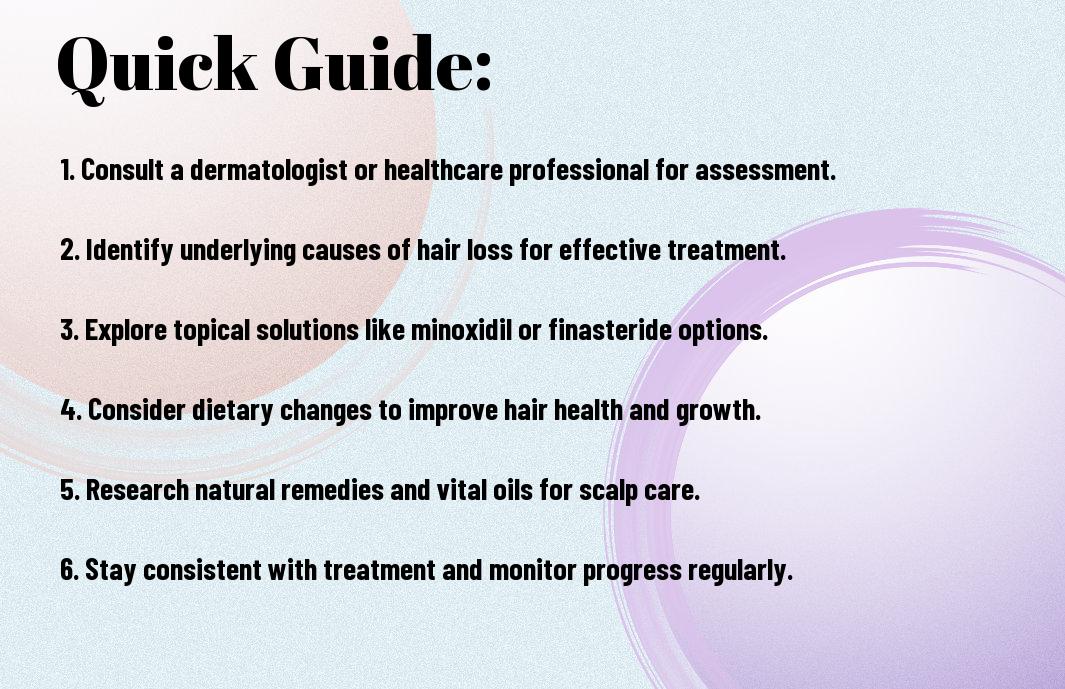
From above, you’ve learned that hair loss treatment is a multifaceted approach that requires patience, persistence, and the right guidance. You’ve discovered the various causes of hair loss, from genetics to hormonal imbalances, and explored the range of treatment options available, including medications, low-level laser therapy, and hair transplantation. By understanding your unique situation and working with a healthcare professional, you can develop a personalized treatment plan that addresses your specific needs and helps you regain a full, healthy head of hair.
FAQ
Q: What are the common causes of hair loss, and how can I identify them?
A: Hair loss can be caused by a combination of genetic, hormonal, and environmental factors. Common causes include androgenetic alopecia (male/female pattern baldness), telogen effluvium (excessive hair shedding), alopecia areata (autoimmune disease), thyroid disorders, and skin conditions such as psoriasis and eczema. To identify the underlying cause of your hair loss, consult a dermatologist or trichologist who can examine your scalp, take a medical history, and perform tests such as a scalp biopsy or hormone level checks.
Q: What are the most effective hair loss treatments available, and how do they work?
A: There are several effective hair loss treatments available, including medications, low-level laser therapy (LLLT), and hair transplantation. Medications such as minoxidil (Rogaine) and finasteride (Propecia) work by stimulating hair growth and slowing down hair loss. LLLT uses a low-level laser or light-emitting diode (LED) device to stimulate hair growth by increasing blood flow and promoting cellular activity. Hair transplantation involves surgically moving healthy hair follicles from the back and sides of the head to the balding areas. These treatments can be used alone or in combination, depending on the individual’s needs and preferences.
Q: Are there any natural remedies or supplements that can help promote hair growth and prevent hair loss?
A: Yes, there are several natural remedies and supplements that can help promote hair growth and prevent hair loss. These include biotin, vitamin B, and keratin supplements, as well as herbal remedies such as saw palmetto and rosemary crucial oil. A diet rich in omega-3 fatty acids, zinc, and iron can also support hair growth. Additionally, reducing stress through techniques such as meditation and yoga, and protecting your hair from excessive heat styling and chemical processing can also help promote healthy hair growth. However, it’s crucial to consult a healthcare professional before starting any new supplements or treatments to ensure they are safe and effective for you.