

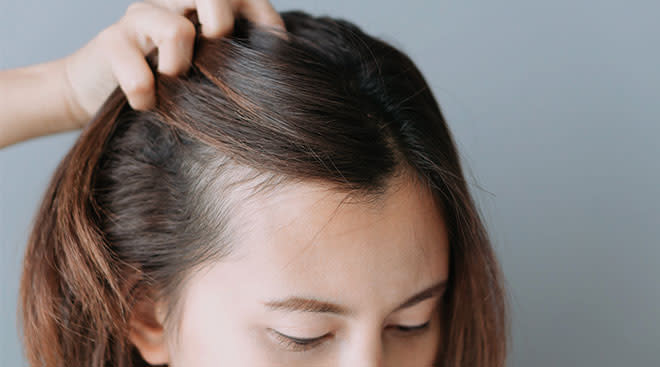
Postpartum hair loss usually starts about three to five months after childbirth. This happens since of changes in hormones, especially estrogen. You might notice more hair on your pillow or in the shower. This shedding can be surprising, especially after other postpartum symptoms have passed.
Hair shedding often peaks around four months after giving birth. By the time your baby turns one year old, your hair growth usually returns to normal. It’s a natural process that many new mothers experience, so you are not alone.
Postpartum Hair Loss Timeline
Postpartum hair loss usually starts about three to five months after childbirth. This happens since of changes in hormones, especially estrogen. You might notice more hair on your pillow or in the shower.
This shedding can be surprising, especially after other postpartum symptoms have passed.
Hair shedding often peaks around four months after giving birth. By the time your baby turns one year old, your hair growth usually returns to normal. It’s a natural process that many new mothers experience, so you are not alone.
Postpartum hair loss usually begins around three months after delivery.
This is when you might see more hair falling out. The shedding can last for about six months to a year. Most women notice their hair is back to normal by their baby’s initial birthday.
During this time, it’s common to see hair in your brush, shower drain, or on your clothes.
This can be alarming, but it’s part of the natural hair cycle. If you have concerns, you can learn more about hair fall causes and treatments.
It’s significant to don’t forget postpartum hair loss is temporary. Your hair will go through a shedding phase and then start to regrow.
Eating a balanced diet and taking care of your scalp can help support healthy hair growth during this period.
Start of Postpartum Hair Loss
Postpartum hair loss usually starts about three to five months after childbirth. This happens since of changes in hormones, especially estrogen. You might notice more hair on your pillow or in the shower.
This shedding can be surprising, especially after other postpartum symptoms have passed.
Hair shedding often peaks around four months after giving birth. By the time your baby turns one year old, your hair growth usually returns to normal. It’s a natural process that many new mothers experience, so you are not alone.
Postpartum hair loss usually begins around three months after delivery.
This is because of hormonal changes, particularly the drop in estrogen levels. During pregnancy, higher estrogen levels keep hair in the growth phase longer, resulting in thicker hair. After childbirth, as estrogen levels decrease, the hair enters the shedding phase.
We often see hair shedding in clumps, especially when brushing or washing hair.
This can be alarming, but it’s a normal part of the hair cycle. Most of us will notice this increased hair fall around the three-month mark. For more information on why hair falls out, you can visit our detailed guide.
It’s significant to don’t forget this phase is temporary.
The hair shedding usually peaks around four months postpartum and then gradually decreases. By the time our babies celebrate their initial birthday, our hair should return to its pre-pregnancy fullness. The process varies for each individual, but knowing what to expect can help us manage this period better.
Peak Period of Hair Loss
Hair shedding often peaks around four months after giving birth.
By the time your baby turns one year old, your hair growth usually returns to normal. It’s a natural process that many new mothers experience, so you are not alone.
During the peak period of postpartum hair loss, which usually occurs three to four months after delivery, you might notice more hair shedding than usual. This is because of the drop in estrogen levels, causing hair to move from the growing phase to the shedding phase.
It’s common to see hair fall out in clumps, especially when brushing or washing your hair.
Most of us will see this excessive shedding start to slow down after the peak period. By six months to a year, our hair should begin to return to its normal growth cycle. If you are concerned about the amount of hair loss, it’s significant to consult with a healthcare provider to rule out other causes.
For more insights on hair loss causes, you can explore further.
Duration of Postpartum Hair Loss
Hair shedding often peaks around four months after giving birth. By the time your baby turns one year old, your hair growth usually returns to normal. It’s a natural process that many new mothers experience, so you are not alone.
Postpartum hair loss usually begins about three to four months after childbirth. This is because of hormonal changes, especially the drop in estrogen levels. You might notice more hair on your pillow, in the shower, or on your brush. This shedding can be surprising, especially after other postpartum symptoms have passed.
Most new mothers see their hair return to its normal growth cycle by their baby’s initial birthday. But, the duration of postpartum hair loss can vary. For some, it may last only a few months, while for others, it can extend up to a year. If you have concerns about your hair shedding, consider visiting this resource for more information.
During this period, it’s necessary to maintain good scalp health and follow a proper hair care routine. Eating a balanced diet and being gentle with your hair can help minimize hair thinning. Remember, postpartum hair loss is temporary, and your hair will eventually regain its volume and density.
Factors Influencing Postpartum Hair Loss
Factors Influencing Postpartum Hair Loss
Several factors can influence postpartum hair loss. The primary cause is the drop in estrogen levels after childbirth. During pregnancy, higher estrogen levels keep hair in the growth phase longer, resulting in thicker hair.
After delivery, as estrogen levels decrease, hair enters the shedding phase.
Other factors include stress and nutrition. The physical and emotional stress of childbirth can affect hair health. Poor nutrition or vitamin deficiency can also contribute to hair thinning.
Ensuring a balanced diet can help support healthy hair growth during the postpartum period.
Genetics and in general scalp health play a role too. If your family has a history of hair loss, you might be more prone to it. Maintaining good scalp care and using gentle hair products can help manage hair shedding.
For more information, you can visit this resource.
Hormonal Changes
During pregnancy, our bodies produce higher levels of estrogen. This hormone keeps hair in the growth phase longer, making it appear thicker and fuller. But, after childbirth, estrogen levels drop, causing hair to enter the shedding phase.
This hormonal change is the primary reason for postpartum hair loss.
As estrogen levels decrease, the hair that remained in the growth phase during pregnancy starts to fall out. This shedding usually begins around three months after delivery. It’s common to see hair fall out in clumps, especially when brushing or washing your hair.
This process can be alarming, but it’s a normal part of the hair cycle.
It’s significant to don’t forget postpartum hair loss is temporary. The shedding usually peaks around four months postpartum and then gradually decreases. By the time our babies celebrate their initial birthday, our hair should return to its pre-pregnancy fullness.
Understanding these hormonal changes can help us manage this period better and reduce stress.
Stress
Stress can remarkably impact postpartum hair loss. After childbirth, many of us experience high levels of stress because of the demands of caring for a newborn. This stress can disrupt our hormonal balance, leading to increased hair shedding.
The body’s response to stress can push more hair follicles into the resting phase, causing noticeable hair loss.
Managing stress is critical for reducing hair thinning during the postpartum period. Simple practices like deep breathing, regular exercise, and adequate sleep can help. It’s also significant to seek support from family and friends to ease the burden of new motherhood.
By addressing stress, we can promote a healthier hair growth cycle and in general well-being.
Also to stress, other factors like nutritional deficiencies can also contribute to postpartum hair loss. Ensuring a balanced diet rich in necessary vitamins and minerals can support hair health. By focusing on both stress management and nutrition, we can better steer this temporary phase of hair shedding.
Nutritional Deficiencies
Nutritional deficiencies can remarkably impact the severity of postpartum hair loss. Our bodies require a variety of vitamins and minerals to maintain healthy hair growth. For instance, a lack of iron, zinc, or vitamin D can lead to increased hair shedding. Ensuring we have a balanced diet rich in these nutrients is critical during the postpartum period.
Iron deficiency, in particular, is a common issue for new mothers. Low iron levels can cause anemia, which is linked to hair loss. Consuming iron-rich foods like spinach, red meat, and lentils can help lessen this issue. Plus, maintaining adequate levels of vitamins B and C supports in general hair health and can reduce the extent of hair thinning.
It’s significant to consult with a healthcare provider if we suspect a nutritional deficiency. They can recommend appropriate supplements or dietary adjustments to address the issue. By ensuring our nutritional needs are met, we can support our bodies in recovering from childbirth and promote healthier hair growth.
Managing Postpartum Hair Loss
Managing Postpartum Hair Loss
Managing postpartum hair loss involves simple steps to care for our hair and scalp. Initial, we should use gentle shampoos and conditioners. Avoiding harsh chemicals can help reduce further hair shedding.
It’s also significant to be gentle when brushing or styling our hair to prevent breakage.
Eating a balanced diet rich in vitamins and minerals supports hair growth. Foods high in iron, zinc, and vitamins B and C are particularly beneficial. Plus, taking prenatal vitamins can help maintain our hair’s health during the postpartum period.
For more tips, you can visit this resource.
Reducing stress is critical for managing hair thinning. Practices like deep breathing, regular exercise, and adequate sleep can help. Seeking support from family and friends can also ease the burden of new motherhood.
By focusing on these areas, we can better manage postpartum hair loss and promote a healthier hair growth cycle.
Hair Care Tips
Proper hair care is necessary during the postpartum period to manage hair shedding effectively. We should use gentle, sulfate-free shampoos and conditioners to avoid further damage to our hair. Avoiding excessive heat styling and harsh chemical treatments can also help maintain hair health.
Regular scalp massages can stimulate blood flow and promote hair growth.
Using a wide-tooth comb instead of a brush can reduce breakage and minimize hair loss. Plus, opting for loose hairstyles can prevent unnecessary tension on the hair and scalp.
Incorporating a balanced diet rich in necessary vitamins and minerals supports in general hair health. Consuming foods high in iron, zinc, and vitamins B and C can help lessen hair thinning.
For more detailed guidance on nutritional support, you can visit this resource.
Nutritional Supplements
Nutritional Supplements
To support hair growth during the postpartum period, we can consider taking nutritional supplements. These supplements can help address any nutritional deficiencies that may contribute to hair thinning. For instance, iron supplements can be beneficial if we have low iron levels, which are common after childbirth.
Other significant supplements include vitamin D, zinc, and biotin.
Vitamin D supports in general health and can help reduce hair shedding. Zinc is necessary for hair tissue growth and repair. Biotin, also known as vitamin B7, is known to strengthen hair and nails.
Including these supplements in our diet can promote healthier hair growth.
It’s critical to consult with a healthcare provider before starting any new supplement regimen. They can recommend the right dosage and make sure that the supplements won’t interfere with any other medications we may be taking. By addressing our nutritional needs, we can better manage postpartum hair loss and support our in general well-being.
Stress Management Techniques
Effective stress management techniques are necessary for mitigating postpartum hair loss. High levels of stress can disrupt our hormonal balance, leading to increased hair shedding. Simple practices like deep breathing, regular exercise, and adequate sleep can help manage stress. Plus, seeking support from family and friends can ease the burden of new motherhood, promoting a healthier hair growth cycle.
Incorporating relaxation techniques into our daily routine can also be beneficial. Activities such as yoga, meditation, and mindfulness can reduce stress levels and improve in general well-being. These practices help calm the mind and body, which in turn supports healthier hair growth. It’s significant to prioritize self-care during the postpartum period to manage stress effectively.
By addressing stress, we can create a more helpful environment for hair regrowth. Alongside stress management, ensuring a balanced diet rich in necessary vitamins and minerals can further support hair health. This whole approach can help us steer the temporary phase of hair shedding and promote a smoother transition to postpartum hair regrowth.
Postpartum Hair Regrowth
Postpartum Hair Regrowth
After experiencing postpartum hair loss, our hair will naturally start to regrow. This process usually begins around three to six months after giving birth. During this time, we may notice shorter hairs growing in, which is a sign that our hair is returning to its normal growth cycle.
To support hair regrowth, it’s significant to maintain a healthy diet rich in necessary nutrients.
Foods high in iron, zinc, and vitamins B and C can promote stronger hair. Plus, gentle hair care practices, such as using sulfate-free shampoos and avoiding excessive heat styling, can help protect new hair growth.
Regular scalp massages can also stimulate blood flow and encourage hair growth. By focusing on these practices, we can create a supportive environment for our hair to regrow.
This whole approach will help us transition smoothly through the temporary phase of hair shedding and into postpartum hair regrowth.
Timeline for Hair Regrowth
Postpartum hair regrowth usually begins a few months after childbirth. Initially, we may notice increased hair shedding around three to four months postpartum. This is because of hormonal changes, particularly the drop in estrogen levels, which trigger more hair follicles to enter the resting phase.
By six months, most of us will see a reduction in hair shedding, and new hair growth should become more noticeable.
But, the timeline for hair regrowth can vary. Some may experience full regrowth by their baby’s initial birthday, while others might take up to 15 months for their hair to return to its pre-pregnancy state.
During this period, it’s necessary to maintain a healthy hair care routine and manage stress to support the hair growth cycle. Eating a balanced diet rich in necessary vitamins and minerals can also promote healthier hair regrowth.
For more tips on promoting healthy hair growth, continue to the next section.
Promoting Healthy Hair Growth
To promote healthy hair growth during the postpartum period, we should focus on maintaining a balanced diet. Consuming foods rich in vitamins and minerals, such as leafy greens, nuts, and fish, can support our hair health. These nutrients help strengthen hair follicles and encourage new growth.
Regular scalp massages can also stimulate blood flow to the hair follicles, promoting hair growth.
Using natural oils like coconut or olive oil during the massage can nourish the scalp and hair. Plus, avoiding tight hairstyles and reducing the use of heat styling tools can prevent further hair damage.
It’s significant to be gentle with our hair during this time. Using a wide-tooth comb can minimize breakage, and opting for sulfate-free shampoos and conditioners can reduce irritation.
By following these simple steps, we can support our hair’s natural growth cycle and improve its in general health.
Professional Treatments for Hair Regrowth
For those experiencing significant hair thinning, professional treatments can offer effective solutions. Consulting with a dermatologist is a critical initial step. They can diagnose the extent of hair loss and recommend appropriate treatments. Options may include topical treatments like minoxidil, which can stimulate hair follicles and promote regrowth.
In some cases, oral medications may be prescribed to address underlying hormonal imbalances. These medications can help control hormones such as estrogen and progesterone, which play a significant role in the hair growth cycle. Plus, low-level laser therapy is another professional treatment that can improve blood flow to the scalp and stimulate hair regrowth.
Professional treatments should be tailored to individual needs, and it’s necessary to follow a dermatologist’s guidance. Combining these treatments with proper hair care practices and a balanced diet can optimize results. By addressing postpartum hair loss with professional help, we can achieve healthier and fuller hair more effectively.
Common Myths and Facts about Postpartum Hair Loss
Common Myths and Facts about Postpartum Hair Loss
Many believe that postpartum hair loss is permanent, but this is not true. Most of us will see our hair return to its normal growth cycle within a year. The shedding is temporary and part of the body’s natural response to hormonal changes after pregnancy.
Another myth is that only some women experience postpartum hair loss.
In reality, about 40-50% of new mothers will notice increased hair shedding. This is because of the drop in estrogen levels, which causes more hair to enter the shedding phase.
Some think that special hair products can stop postpartum hair loss. While certain products may help improve scalp health, they cannot prevent the natural shedding process.
Maintaining a healthy diet and gentle hair care practices are more effective ways to support hair regrowth.
Myth: Postpartum Hair Loss Lasts Indefinitely
Myth: Postpartum Hair Loss Lasts Indefinitely
Many believe that postpartum hair loss lasts indefinitely, but this is a myth. The shedding we experience after giving birth is temporary and part of the normal hair growth cycle. Usually, hair shedding peaks around three to four months postpartum.
Our hair begins to regrow within six to twelve months after childbirth.
This period varies for each person, but most new mothers notice their hair returning to its pre-pregnancy fullness by their baby’s initial birthday. It’s significant to understand that this phase of hair thinning is not permanent.
By maintaining a healthy diet and gentle hair care practices, we can support our hair’s natural regrowth. Eating foods rich in necessary nutrients and avoiding excessive heat styling can help.
Remember, postpartum hair loss is a temporary condition, and with proper care, our hair will recover.
Fact: Postpartum Hair Loss is Temporary
Postpartum hair loss is a common experience for many new mothers. It usually starts around three to four months after giving birth. This hair shedding is because of the drop in estrogen levels, which causes more hair follicles to enter the resting phase.
While it can be alarming to see more hair falling out than usual, it’s significant to don’t forget this is a temporary phase.
Most of us will notice our hair returning to its normal growth cycle within six to twelve months. By our baby’s initial birthday, our hair should be back to its pre-pregnancy fullness.
During this period, maintaining a healthy diet and gentle hair care practices can support hair regrowth. Eating foods rich in vitamins and minerals, such as leafy greens and nuts, can strengthen hair follicles.
Plus, using sulfate-free shampoos and avoiding excessive heat styling can help protect new hair growth.
Myth: Cutting Hair Helps Prevent Postpartum Hair Loss
One common myth is that cutting our hair can help prevent postpartum hair loss. But, this is not true. The length of our hair does not impact the hormonal changes that cause hair shedding after pregnancy.
Postpartum hair loss is primarily because of the drop in estrogen levels, which affects the hair growth cycle.
During pregnancy, increased estrogen levels keep hair in the growing phase longer, resulting in thicker hair. After childbirth, estrogen levels decrease, causing more hair to enter the resting phase and eventually shed. Cutting our hair might make it look healthier and more manageable, but it does not stop the natural shedding process.
Instead of focusing on haircuts to prevent shedding, we should concentrate on maintaining in general scalp health and a balanced diet.
Eating foods rich in vitamins and minerals, such as leafy greens and nuts, can support hair regrowth. Gentle hair care practices, like using sulfate-free shampoos and avoiding heat styling, can also help maintain healthy hair during the postpartum period.
Fact: Hair Length Does Not Affect Postpartum Hair Loss
Many new mothers worry about the impact of hair length on postpartum hair loss. But, the length of our hair does not influence the shedding process. The primary cause of hair loss after pregnancy is the drop in estrogen levels, not the length of our hair.
During pregnancy, increased estrogen levels keep hair in the growth phase longer, resulting in thicker hair. After childbirth, estrogen levels decrease, leading to more hair entering the shedding phase. This process, known as telogen effluvium, is a natural response to hormonal changes and affects all hair lengths similarly.
It’s significant to focus on maintaining a healthy scalp and hair care routine rather than worrying about hair length. Gentle handling, proper nutrition, and stress management can help support hair health during the postpartum period. By understanding that hair length does not affect postpartum hair loss, we can better manage our expectations and care for our hair effectively.
Summing up
Postpartum hair loss is a common experience for many new mothers. It usually starts around three to four months after giving birth. This hair shedding is because of the drop in estrogen levels, which causes more hair follicles to enter the resting phase.
While it can be alarming to see more hair falling out than usual, it’s significant to don’t forget this is a temporary phase. Most of us will notice our hair returning to its normal growth cycle within six to twelve months. By our baby’s initial birthday, our hair should be back to its pre-pregnancy fullness.
During this period, maintaining a healthy diet and gentle hair care practices can support hair regrowth. Eating foods rich in vitamins and minerals, such as leafy greens and nuts, can strengthen hair follicles. Plus, using sulfate-free shampoos and avoiding excessive heat styling can help protect new hair growth.
Frequently Asked Questions
When does postpartum hair loss usually start?
Postpartum hair loss usually starts around three months after giving birth, peaking around four to five months.
How long after giving birth does postpartum hair loss start?
Postpartum hair loss usually starts around three months after giving birth.
Does cutting hair help with postpartum hair loss?
Cutting hair doesn’t stop postpartum hair loss, but it can make hair appear fuller and more manageable during the shedding phase.
How can I speed up my postpartum hair loss?
To speed up postpartum hair recovery, maintain a healthy diet, take prenatal vitamins, avoid heat styling, and use gentle hair care products.